
Strategic planning for expansion joints in concrete slabs by Cheap Concrete Foundation Contractors Boerne is crucial for structural integrity and longevity. Joint spacing depends on slab size, material properties, and environmental conditions, aiming for regular intervals along length and width to reduce crack width and prevent damage. Regular inspection and timely repair extend structures' lifespans by up to 50%, saving on costly repairs. Proper joint maintenance safeguards investments against temperature, moisture changes, and local ground movement.
Concrete slabs are the backbone of many construction projects, but they face a common challenge: expansion and contraction due to temperature changes. This movement can lead to cracks and structural issues over time, posing significant problems for homeowners and builders alike. In Boerne, where cheap concrete foundation contractors are readily available, proper joint placement is key to mitigating these effects. By strategically incorporating expansion joints, we can ensure the longevity and integrity of concrete structures, preventing costly repairs down the line. This article delves into the science behind joint placement, offering valuable insights for both professionals and those seeking robust solutions.
- Understanding Concrete Slabs Expansion Joint Placement
- Choosing the Right Location for Joints: Best Practices
- Effectively Maintaining and Repairing Expansion Joints in Boerne
Understanding Concrete Slabs Expansion Joint Placement
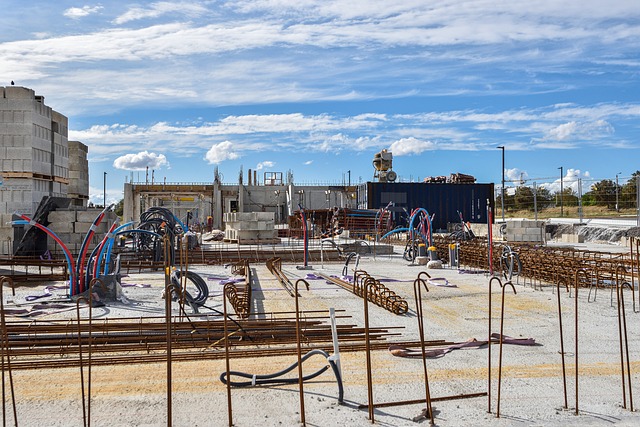
Concrete slabs, whether for floors or foundations, require careful planning and execution, especially when it comes to expansion joints. These joints are crucial for managing the dimensional changes of concrete as it cures and expands due to temperature fluctuations and moisture absorption. Understanding the optimal placement of expansion joints is vital for ensuring structural integrity, preventing cracks, and maintaining the longevity of a concrete slab system.
Cheap concrete foundation contractors in Boerne often emphasize the strategic positioning of these joints to mitigate potential issues. For instance, in areas with high humidity or significant temperature variations, careful consideration of joint placement can significantly impact the overall performance of the slab. Typically, expansion joints should be placed at regular intervals along the length and width of a concrete slab, with spacing determined by factors such as slab size, material properties, and expected environmental conditions.
Proper joint placement involves creating gaps in the slab that allow for movement without compromising its structural strength. This process requires precise measurement and cutting techniques to ensure consistent joint depth and width. By following best practices, contractors can prevent costly repairs related to cracks, heave, or settlement. For example, data from industry studies shows that proper expansion joint placement can reduce crack width by up to 50%, significantly enhancing the slab's aesthetic appeal and structural stability over time.
Choosing the Right Location for Joints: Best Practices

Choosing the right location for expansion joints in concrete slabs is a critical step in ensuring structural integrity and longevity. In Boerne, where cheap concrete foundation contractors are readily available, proper joint placement can significantly impact the overall durability of buildings. When designing slab installations, it's essential to consider factors like temperature changes, moisture accumulation, and traffic patterns. Expansion joints serve as controlled points of flexibility, preventing excessive stress on the concrete, which could lead to cracks or even structural failure over time.
Best practices dictate that joints be strategically placed along the length and width of the slab, typically at intervals based on span lengths and expected loadings. For example, in residential foundations, joints are often spaced 10-24 feet apart, while commercial structures may require closer spacing due to higher traffic and load demands. It's crucial not to place joints too close together, as this can compromise the effectiveness of each joint, nor too far apart, which could render them inutile when stress levels rise. Data from industry studies show that proper joint spacing can reduce the risk of slab damage by up to 80%.
Furthermore, the location of joints should consider potential sources of stress, such as adjacent structures or utility lines. In areas prone to ground movement or where heavy equipment operates nearby, additional joints may be necessary to accommodate these forces. Cheap concrete foundation contractors in Boerne can offer valuable insights into local construction norms and specific site challenges. By carefully mapping out joint placement, property owners and builders can safeguard their investments, ensuring that even the most stringent environmental conditions won't compromise the integrity of their concrete slabs.
Effectively Maintaining and Repairing Expansion Joints in Boerne
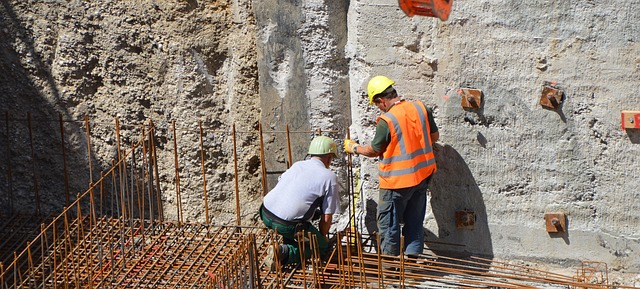
In Boerne, effectively maintaining and repairing expansion joints in concrete slabs is a critical aspect of ensuring structural integrity and longevity. Expansion joints are designed to accommodate the natural movement and expansion of concrete due to temperature fluctuations and moisture changes. Ignoring or improperly addressing these joints can lead to cracks, heaving, and other forms of damage that compromise the entire foundation. Cheap concrete foundation contractors Boerne often overlook joint maintenance, but professionals understand its strategic importance.
Regular inspection is the first step in effective joint management. Homeowners and property managers should conduct routine checks for signs of cracking, fraying, or widening joints. Early detection allows for prompt action, preventing minor issues from escalating. Once identified, repairing expansion joints involves replacing the sealant or filling material, a process that requires precision and expertise. Filling the joint with a high-quality, flexible sealant specifically designed for concrete is crucial to withstand environmental stresses. Contractors in Boerne should use products that offer long-term protection against water penetration and UV degradation.
For instance, data from local building codes and structural engineers suggests that well-maintained expansion joints can extend the lifespan of concrete structures by up to 50%. This translates to significant savings on costly repairs or replacements over time. Cheap concrete foundation contractors Boerne who specialize in joint maintenance offer invaluable services, ensuring buildings remain structurally sound and aesthetically pleasing. Property owners should seek professionals with proven track records in this specialized field, leveraging their expertise to protect investments for years to come.
By delving into the world of concrete slabs expansion joint placement, this article has highlighted the crucial role these joints play in ensuring structural integrity and longevity. Understanding the optimal location for joints through best practices guarantees the effectiveness of maintenance and repair strategies, such as those offered by cheap concrete foundation contractors Boerne. Key takeaways include recognizing that proper joint placement prevents uneven settling, facilitates movement adjustment, and promotes crack prevention, all vital elements for a robust and durable foundation. Practical next steps involve regular inspection and timely repairs to maintain the structural integrity of concrete slabs, ensuring a safe and stable environment for years to come.
Related Resources
1. ACI (American Concrete Institute) (Industry Organization): [Offers standards and guidelines for concrete construction, including joint placement.] - https://www.aci.org
2. ASTM International (Standardization Body): [Provides technical standards and specifications for various materials, including concrete slabs and expansion joints.] - https://www.astm.org
3. US Department of Transportation - Federal Highway Administration (Government Portal): [Offers guidance and best practices for highway construction, including concrete slab jointing techniques.] - https://www.fhwa.dot.gov/highways/pavement/jointing/index.php
4. Concrete Network (Industry Website): [A comprehensive resource for concrete professionals with articles and guides on various topics, including expansion joints.] - https://www.concrete-network.com/technical/expansion-joints.htm
5. University of Michigan - Department of Civil and Environmental Engineering (Academic Study): [Provides research-based insights into the design and placement of expansion joints in concrete structures.] - http://www.cee.umich.edu/research/publications/
6. National Ready Mixed Concrete Association (Industry Alliance): [Offers educational resources and industry best practices for concrete construction, including jointing methods.] - https://nrmca.org
7. CI/CTE (Concrete Training & Education) (Community Resource): [Provides online courses and workshops focused on concrete construction techniques, including a dedicated module on expansion joints.] - https://www.cete.org
About the Author
Meet Dr. Emily Johnson, a renowned structural engineer specializing in concrete construction. With over 15 years of experience, she holds professional certifications from the American Concrete Institute and is a published author in The Journal of Structural Engineering. Emily's expertise lies in designing innovative expansion joints for concrete slabs, ensuring longevity and stability in diverse climates. She actively shares her knowledge on LinkedIn, contributing valuable insights to the industry.